


Planning a student field trip is one of the most rewarding ways to bring classroom learning to life, but it can also feel like one of the biggest responsibilities a teacher takes on. Between selecting a destination, building an itinerary, organizing transportation, securing school approval, managing budgets, communicating with parents, and keeping dozens of students on schedule, there’s a lot to coordinate before the bus ever leaves campus.
The good news is that planning educational travel becomes much more manageable when you approach it one step at a time. Every successful student trip starts with a solid plan. This guide breaks the planning process into simple, manageable steps to help you create a memorable and well-organized travel experience. You’ll also find sample student trip itineraries, practical planning tips, and ideas that can help transform a great field trip into an unforgettable educational experience.
Field Trip Planning Checklist
Use this checklist as a quick overview of the field trip planning process:
- Choose a destination that supports your learning goals
- Build a realistic field trip budget
- Get school or district approval
- Reserve transportation and accommodations
- Recruit and prepare chaperones
- Collect permission forms, medical information, and emergency contacts
- Build a student-friendly itinerary
- Communicate important details with families
- Confirm accessibility needs and accommodations
- Build extra time and backup plans into your schedule

Step 1: Choose a Destination That Supports Your Learning Goals
The most successful field trips begin with a simple question: What do I want my students to learn? While popular attractions can be exciting, the most impactful educational travel experiences are those that connect directly to classroom instruction and reinforce lessons students are already studying.
Kelly Tours has spent decades helping schools create meaningful educational travel experiences that align with curriculum goals while keeping students engaged, inspired, and excited to learn beyond the classroom. Whether students are exploring history, science, literature, engineering, or environmental studies, the right destination can transform a field trip into an unforgettable educational adventure.
What to Consider When Choosing a Field Trip Destination
When choosing a destination, educators should consider curriculum standards, classroom objectives, student age and maturity levels, travel distance, budget, accessibility, and the types of educational experiences available. Rather than selecting a destination first, think about the skills, knowledge, and experiences students should gain during the trip.
History students may benefit from exploring the halls of Congress and national landmarks in Washington, D.C., while STEM students may be inspired by hands-on space exploration at Kennedy Space Center. New York City provides opportunities to study architecture, business, performing arts, immigration, and urban development, while coastal destinations like Savannah and Tybee Island allow students to explore marine science, environmental conservation, wildlife, and maritime history. College campus visits also help students understand higher education opportunities, admissions, student life, and future career paths.
Step 2: Build a Budget and Get School Approval
What to Include in Your Field Trip Budget
Once you’ve selected your destination, the next step is creating a realistic budget that accounts for every part of the experience. Planning expenses early helps prevent unexpected costs, makes the approval process smoother, and allows families to clearly understand what is included in the trip.
A complete field trip budget should consider:
- Transportation
- Hotel accommodations
- Attraction admissions
- Meals
- Educational programs
- Tour guides
- Chaperone expenses
- Driver accommodations for overnight trips
- Gratuities
- Emergency contingency funds
- Travel insurance when applicable
Establishing these costs early also helps schools identify potential fundraising opportunities or payment plans if needed.
Preparing for School Approval
In addition to budgeting, preparing the necessary documentation for school approval is an important part of the planning process. Many schools require educational objectives connected to curriculum, a draft itinerary, transportation plans, chaperone ratios, student supervision guidelines, emergency procedures, parent communication timelines, permission forms, and accessibility accommodations before approving a trip. Beginning this process several months in advance is highly recommended, especially for multi-day educational travel during busy seasons when hotels, attractions, and motorcoach transportation can fill quickly. Starting early gives educators more flexibility when selecting dates, building the itinerary, securing accommodations, and creating an organized experience that students, families, and school administrators can feel confident about.

Step 3: Organize the Logistics
Secure Transportation Early
Once your destination has been selected and your trip has received preliminary approval, it’s time to focus on the details that will keep everything running smoothly. While logistics may not be the most exciting part of planning, they’re often what determine whether a field trip feels organized and stress-free for both teachers and students.
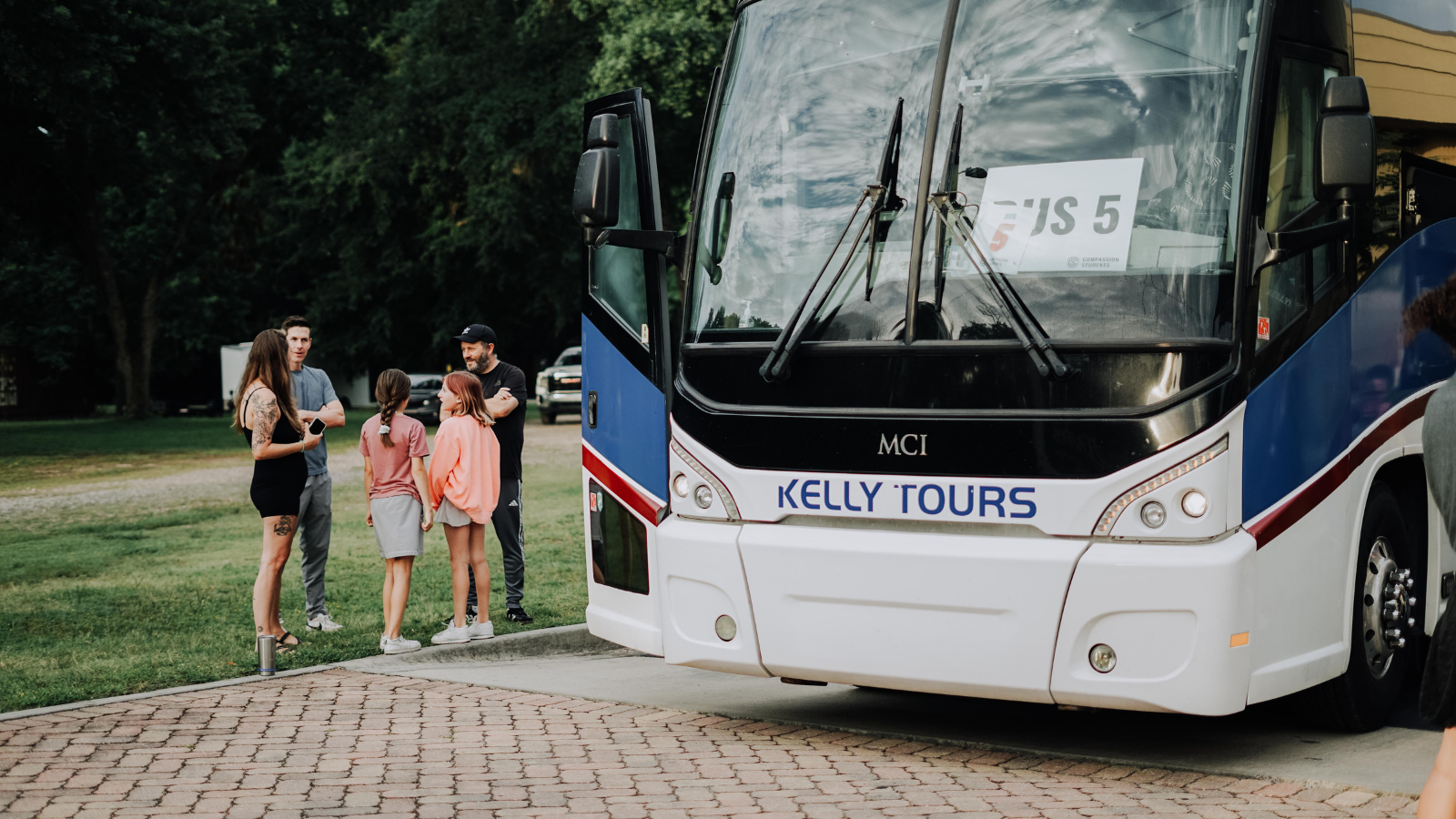
Partnering with an experienced transportation company like Kelly Tours can simplify this process by coordinating routing, timing, driver scheduling, and trip logistics under one roof. One of the first priorities should be securing transportation. Spring is one of the busiest seasons for student travel, which means motorcoaches, hotels, and attractions often book months in advance. Reserving student transportation early not only gives you more scheduling flexibility but also helps ensure your preferred travel dates remain available.
Recruit and Prepare Chaperones
Recruiting dependable chaperones is equally important. Before departure, clearly communicate expectations so every adult understands their responsibilities throughout the trip. Assigning small student groups to individual chaperones makes supervision much easier and ensures every student has someone they can quickly turn to if they need assistance.
Complete Required Forms
It is also important to understand your school or district’s travel policies well before departure. Requirements often include permission slips, medical information, emergency contacts, liability forms, and student conduct agreements. Creating a checklist several weeks before the trip helps prevent last-minute surprises.
Build Flexibility Into the Schedule
Finally, build flexibility into your schedule. Even the best-planned trips encounter traffic delays, longer-than-expected attraction visits, or unexpected weather. Adding extra travel time between destinations and allowing short buffer periods throughout the day helps keep everyone on schedule without making students feel rushed.
Step 4: Build an Itinerary Students Will Actually Enjoy
Every school group trip has different goals, interests, and learning objectives, which is why no two Kelly Tours itineraries are exactly alike. Rather than offering one-size-fits-all trips, our team works closely with teachers, administrators, and group leaders to design customized itineraries that support your curriculum, fit your schedule, and stay within your budget. Whether you’re planning a single-day field trip or a week-long educational adventure, we carefully coordinate attractions, transportation, meals, accommodations, and timing to create a seamless travel experience.
Balance Education and Student Engagement
Our experienced travel planners understand how to balance educational value with student engagement. We thoughtfully arrange each day to minimize travel time, group nearby attractions together, and create a pace that keeps students energized without feeling rushed. Every itinerary is designed to maximize learning opportunities while allowing time to relax, explore, and enjoy the destination.
Kelly Tours can build an itinerary around virtually any educational focus. We also handle the logistics behind the scenes, including attraction reservations, hotel accommodations, meal planning, transportation, and scheduling, allowing educators to focus on their students instead of the details.
The sample itineraries below showcase just a few examples of what is possible. Every Kelly Tours itinerary is fully customizable, giving your group the flexibility to create an educational travel experience that is engaging, memorable, and uniquely your own.
Sample Itinerary for Students: Washington, D.C. (4 Days)
Washington, D.C. continues to be one of America’s premier educational destinations because nearly every landmark reinforces classroom instruction. Students gain firsthand insight into government, civics, military history, architecture, and American democracy while experiencing the nation’s capital in person.
Day 1: Travel to Washington, D.C. & Illuminated Monuments Tour
Depart early in the morning as your exciting Washington, D.C. adventure begins. Enjoy lunch on your own en route before arriving in the nation’s capital and checking into your hotel with time to refresh. Enjoy dinner at Primo before heading out for an illuminated tour of Washington, D.C.’s iconic monuments. Return to the hotel for the evening. Overnight hotel security is included each night.
Day 2: Museums & Washington, D.C. Exploration
Enjoy breakfast at the hotel before beginning a full day of sightseeing. Start at the International Spy Museum, followed by a visit to the United States Holocaust Memorial Museum for a powerful and educational look at the history and impact of the Holocaust.
Enjoy lunch on your own at the National Mall before visiting the National Museum of African American History and Culture. Continue to the National Air and Space Museum to explore the fascinating history of aviation and space exploration. Return to the hotel to refresh before an evening of bowling and dinner, then settle in for the night.
Day 3: Arlington National Cemetery, U.S. Capitol & Memorials
After breakfast, visit Arlington National Cemetery and participate in a meaningful wreath-laying ceremony honoring America’s fallen heroes. Continue to the U.S. Capitol for a guided tour of one of the nation’s most important landmarks, followed by an included lunch.
Spend the afternoon exploring the Smithsonian National Museum of Natural History before taking a walking tour of Washington, D.C.’s famous memorials. Then, enjoy a scenic water taxi ride for a unique perspective of the city. End the day at the Fashion Centre at Pentagon City for shopping and dinner with an included meal voucher before returning to the hotel.
Day 4: National Museum of the Marine Corps & Journey Home
Enjoy breakfast before checking out of the hotel and beginning the journey home. Along the way, visit the National Museum of the Marine Corps, where immersive exhibits, historic artifacts, and life-sized displays bring the history and experiences of the United States Marine Corps to life.
Enjoy lunch on your own at the museum before departing for home. Arrive back at your school in the afternoon with unforgettable memories from your Washington, D.C. adventure.
Sample Itinerary for Students: New York City (5 Days)
New York City offers countless educational opportunities beyond its famous skyline. Students explore immigration history, performing arts, architecture, journalism, finance, engineering, and urban development while experiencing one of the world’s most influential cities.
Day 1: Travel to New York City
Early morning departure from your school as you travel to New York City. Drinks, snacks, lunch, and dinner are included en route. Arrive in the New York City area late in the evening and check into your hotel. Overnight hotel security is included each night.
Day 2: Lower Manhattan & Broadway
Enjoy breakfast at the hotel before meeting your local NYC tour guide for a day exploring Lower Manhattan. Begin with a Statue City Cruise, including stops at Liberty Island and Ellis Island. Upon returning to Manhattan, take a walking tour featuring the Charging Bull and Wall Street.
Next, visit the 9/11 Memorial & Museum, followed by an included lunch. Continue exploring Greenwich Village and Chinatown before returning to the hotel to refresh. Dinner is included this evening, followed by a performance of one of Broadway’s top shows. Return to the hotel for the night.
Day 3: Upper Manhattan & Madame Tussauds
After breakfast, meet your local NYC tour guide and begin the day at the United Nations Headquarters. Students will learn about the history and work of the United Nations while visiting notable spaces such as the General Assembly Hall and Security Council Chamber.
Following an included lunch, enjoy a walking tour along Fifth Avenue and through Central Park. Discover the park’s history, landmarks, wildlife, and connections to famous films. Return to the hotel to refresh before an included dinner. Finish the evening at Madame Tussauds, where students can experience interactive exhibits featuring iconic musicians, celebrities, athletes, and world leaders.
Day 4: Midtown Manhattan & The Beast
Enjoy an early breakfast before meeting your local NYC tour guide for a day in Midtown Manhattan. Start the morning at Rockefeller Center to experience the excitement of watching the TODAY show broadcast live.
Continue to Top of the Rock for spectacular views of the New York City skyline, followed by an included lunch. In the afternoon, board The Beast for an exciting speedboat ride along the Hudson River, reaching speeds of up to 45 mph while passing some of NYC’s most iconic landmarks. Be prepared to get wet!
Return to the hotel to refresh before enjoying an included dinner and settling in for your final night.
Day 5: Departure for Home
Enjoy breakfast at the hotel before checking out and boarding the motorcoach for the journey home. Lunch and dinner are included en route. Arrive back at your school late in the evening after an unforgettable five days in New York City.
Sample Itinerary for Students: Kennedy Space Center (2 Days)
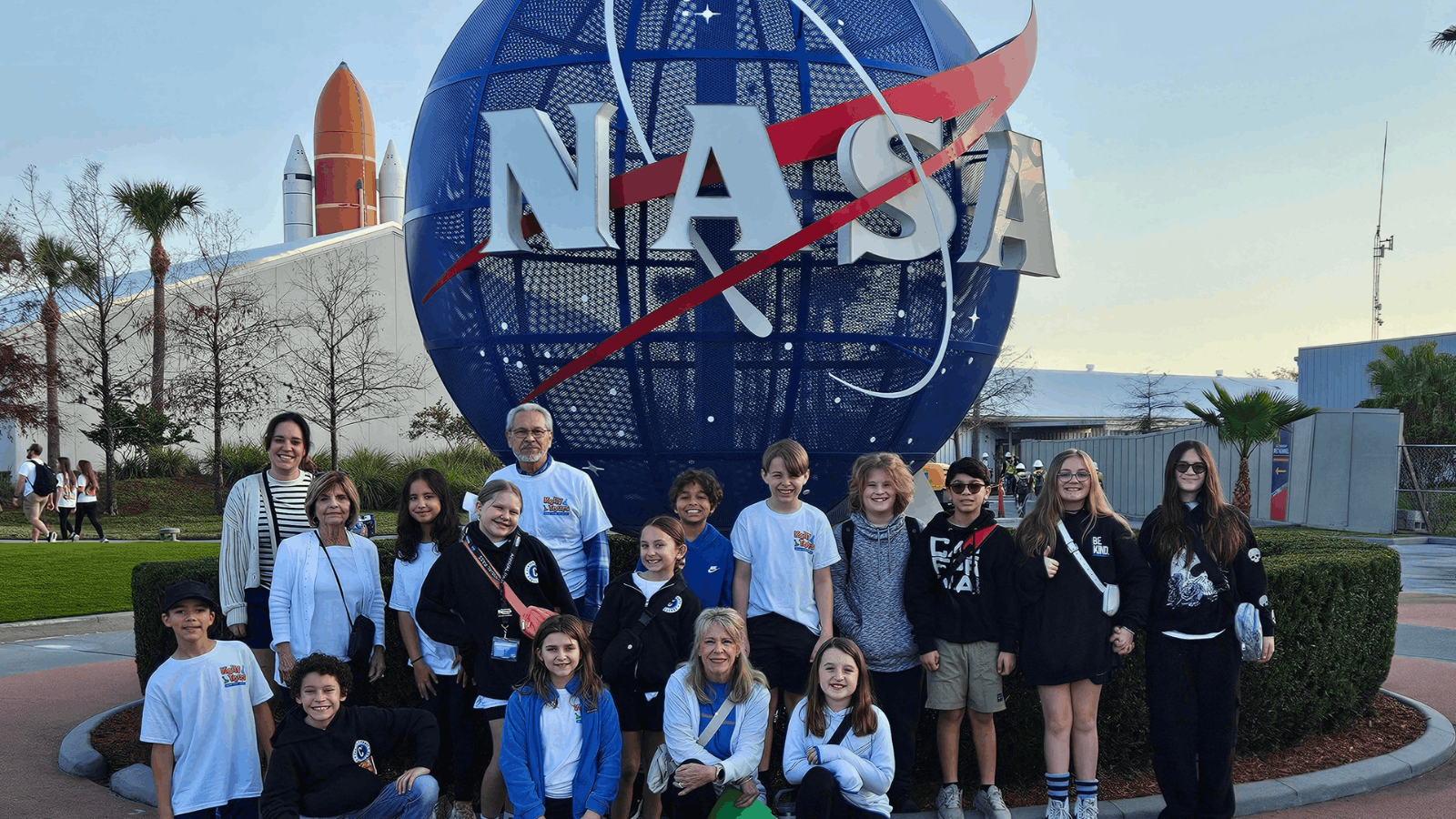
For STEM-focused groups, Kennedy Space Center provides an experience unlike anywhere else in the country. Students see real spacecraft, explore engineering innovations, learn about space exploration, and participate in interactive exhibits that inspire future scientists, engineers, and innovators.
Day 1: Kennedy Space Center & Space Shuttle Atlantis
Depart in the morning for the Kennedy Space Center Visitor Complex and begin an exciting STEM-focused exploration of America’s space program. Visit the Rocket Garden to see historic rockets that helped shape space exploration before experiencing the Space Shuttle Atlantis exhibit, where students can get an up-close look at the legendary spacecraft and learn about its groundbreaking missions.
Continue with the Shuttle Launch Experience, an immersive simulation that brings the excitement of a space shuttle launch to life. After a full day of exploration, check into your hotel for the evening.
Day 2: Saturn V Center, STEM Program & Astronaut Hall of Fame
Continue your Kennedy Space Center adventure with a visit to the Saturn V Center, home to one of the most powerful rockets ever built and exhibits highlighting the historic Apollo missions.
Students will participate in an educational STEM program designed to encourage curiosity, innovation, and problem-solving before exploring the U.S. Astronaut Hall of Fame and learning about the remarkable men and women who have pushed the boundaries of space exploration.
After lunch, begin the journey home with unforgettable memories and a deeper appreciation for science, technology, engineering, and space exploration.
More Student Travel Opportunities
Kelly Tours works with schools throughout the Southeast to create customized educational experiences across a wide variety of destinations. Popular student travel opportunities include trips to Savannah, Georgia; Charleston, South Carolina; Atlanta, Georgia; Chicago, Illinois; Williamsburg, Virginia; Nashville, Tennessee; Orlando theme parks; college campuses; marine science programs; government and leadership destinations; and fine arts and performing arts experiences.
Because every school has unique learning objectives, each itinerary can be customized to align with curriculum standards, grade levels, budgets, and travel timelines. Whether planning a one-day field trip or a multi-day educational adventure, partnering with an experienced student travel planner helps maximize instructional value while creating an engaging and memorable experience for students.
Common Field Trip Planning Mistakes
Even the most experienced educators can encounter challenges when organizing student travel, but many common field trip planning mistakes can be avoided with thoughtful preparation and early coordination.
Waiting Too Long to Book
One of the biggest mistakes is waiting too long to book transportation, especially during busy spring travel seasons when motorcoaches, hotels, and attractions can fill quickly. Reserving early provides more flexibility with dates, pricing, and availability.
Overloading the Itinerary
It is also important to create a realistic itinerary that balances educational experiences with appropriate pacing. Trying to fit too many activities into one day can leave students feeling rushed, while underestimating travel time for traffic, parking, student loading and unloading, and restroom breaks can disrupt the entire schedule. Building extra time into the day and having backup plans for weather or unexpected changes helps keep the experience running smoothly.
Not Communicating Early Enough
Clear communication and organization are also key to a successful student trip. Providing families with schedules, packing lists, payment deadlines, and emergency information early helps everyone feel prepared. Chaperones should receive clear expectations, assigned student groups, and safety procedures before departure so they can confidently support the group.
Overlooking Accessibility Needs
Educators should also consider accessibility needs in advance by confirming accommodations with transportation providers, attractions, and hotels to ensure every student can fully participate.
While planning every detail independently may seem manageable, coordinating transportation, reservations, meals, schedules, and logistics can quickly become overwhelming. Partnering with an experienced educational travel company allows teachers to focus on their students while trusted professionals handle the details behind the scenes, creating a smoother and more memorable educational experience for everyone involved.
Start Planning Your Student Trip With Kelly Tours
Planning educational travel becomes easier when educators have experienced support throughout the process. Kelly Tours works with schools, teachers, administrators, youth organizations, and educational groups to coordinate customized itineraries, transportation, accommodations, meals, attractions, and other trip logistics.
Ready to bring learning beyond the classroom? Contact Kelly Tours to start planning a student trip tailored to your curriculum, budget, and travel goals.
Frequently Asked Questions About Planning a Student Field Trip
How far in advance should you plan a student field trip?
Beginning the planning process several months in advance is highly recommended, especially for multi-day educational travel and trips during busy seasons. Starting early provides more flexibility when selecting dates and securing transportation, accommodations, and attractions.
What should be included in a field trip budget?
A complete field trip budget should consider transportation, hotel accommodations, attraction admissions, meals, educational programs, tour guides, chaperone expenses, driver accommodations for overnight trips, gratuities, emergency contingency funds, and travel insurance when applicable.
What paperwork may be required for a school field trip?
Requirements vary by school or district but often include permission slips, medical information, emergency contacts, liability forms, student conduct agreements, educational objectives, transportation plans, supervision guidelines, and accessibility accommodations.
What makes a good student field trip itinerary?
A strong field trip itinerary balances educational value with student engagement. It should allow enough time for each activity while accounting for transportation, meals, breaks, and potential delays. Grouping nearby attractions and building buffer time into the schedule can also help the trip run more smoothly.
What are some common field trip planning mistakes?
Common mistakes include waiting too long to reserve transportation, trying to fit too many activities into one day, underestimating travel and transition time, communicating important information too late, and overlooking accessibility needs.