
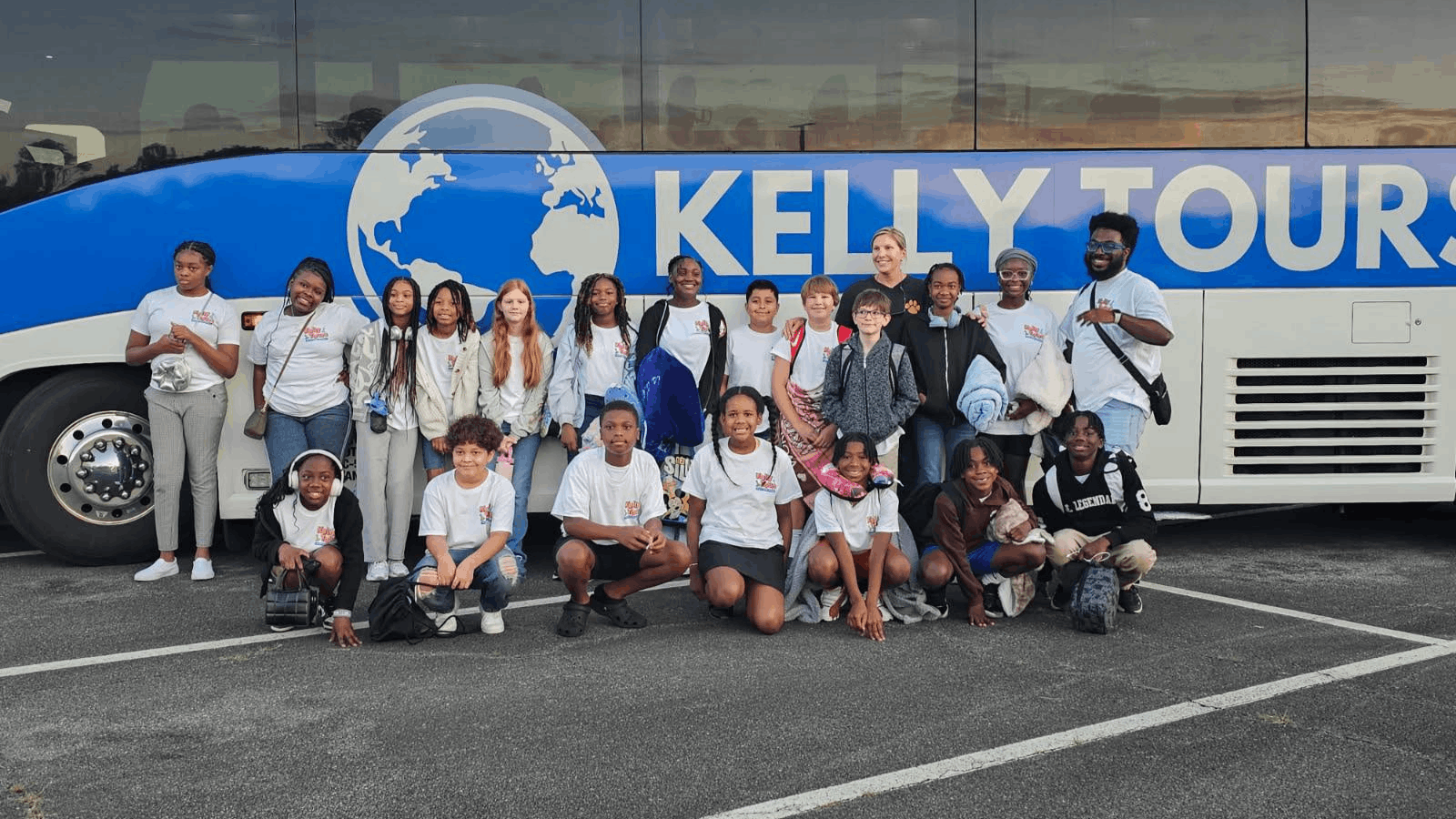


Planning a student field trip is one of the most rewarding ways to bring classroom learning to life, but it can also feel like one of the biggest responsibilities a teacher takes on. Between selecting a destination, building an itinerary, organizing transportation, securing school approval, managing budgets, communicating with parents, and keeping dozens of students on schedule, there’s a lot to coordinate before the bus ever leaves campus.
The good news is that planning educational travel becomes much more manageable when you approach it one step at a time. Every successful student trip starts with a solid plan. This guide breaks the planning process into simple, manageable steps to help you create a memorable and well-organized travel experience. You’ll also find sample student trip itineraries, practical planning tips, and ideas that can help transform a great field trip into an unforgettable educational experience.
This guide is written for elementary, middle school and high school teachers, administrators and school group leaders, whether you are planning a one-day field trip or a multi-day class trip.
How do you organize a school group trip? Start with your learning goals, then get administrative approval for a destination and budget. Book transportation, lodging and attractions as early as your school’s approval process allows. From there, recruit chaperones, collect permission forms and medical information, and share a final itinerary with families. An experienced student travel company can handle the bookings and logistics so you can focus on students and curriculum.
Field Trip Planning Checklist
- Choose a destination that supports your learning goals
- Pick the right grade-level focus and travel season
- Build a realistic field trip budget
- Get school or district approval
- Reserve transportation and accommodations
- Confirm group size, motorcoach count and chaperone ratio
- Recruit and prepare chaperones
- Collect permission forms, medical information, and emergency contacts
- Build a student-friendly itinerary
- Communicate important details with families
- Confirm accessibility needs and accommodations
- Build extra time and backup plans into your schedule
Student Trip Planning Timeline
Use this timeline for overnight or multi-day trips, especially in spring. Many Kelly Tours student trips are planned a year or more in advance, though short-notice trips can sometimes come together in 1 to 2 months.
| When | What to do |
|---|---|
| 12+ months out | Set learning goals, choose a destination, request a quote, and get preliminary approval from your principal or district. |
| 9 to 12 months out | Lock in travel dates and confirm the booking, especially for spring and peak-season trips. Hold a parent information meeting and launch fundraising. |
| 6 months out | Confirm student and chaperone counts, set the payment schedule, and submit any district travel paperwork. |
| 3 months out | Collect permission slips, medical information and emergency contacts. Assign rooms and chaperone groups. Review the draft itinerary. |
| Final 2 to 4 weeks | Confirm the final roster and rooming list, share the final itinerary and packing list with families, and brief chaperones on safety procedures. |
| Departure week | Print emergency contact sheets, confirm pickup times, and review student conduct expectations. |

Step 1: Choose a Destination That Supports Your Learning Goals
The most successful field trips begin with a simple question: What do I want my students to learn? While popular attractions can be exciting, the most impactful educational travel experiences are those that connect directly to classroom instruction and reinforce lessons students are already studying.
Kelly Tours has spent decades helping schools create meaningful educational travel experiences that align with curriculum goals while keeping students engaged, inspired, and excited to learn beyond the classroom. Whether students are exploring history, science, literature, engineering, or environmental studies, the right destination can transform a field trip into an unforgettable educational adventure.
What to Consider When Choosing a Field Trip Destination
When choosing a destination, educators should consider curriculum standards, classroom objectives, student age and maturity levels, travel distance, budget, accessibility, and the types of educational experiences available. Rather than selecting a destination first, think about the skills, knowledge, and experiences students should gain during the trip.
History students may benefit from exploring the halls of Congress and national landmarks in Washington, D.C., while STEM students may be inspired by hands-on space exploration at Kennedy Space Center. New York City provides opportunities to study architecture, business, performing arts, immigration, and urban development, while coastal destinations like Savannah and Tybee Island allow students to explore marine science, environmental conservation, wildlife, and maritime history. College campus visits also help students understand higher education opportunities, admissions, student life, and future career paths.
How to Plan a Student Trip by Grade Level
The right destination, trip length and level of supervision change a lot between second graders and seniors. Use these guidelines as a starting point, then follow your school or district’s travel policy.
Elementary School Trips
Younger students do best with day trips and short travel times, so look for destinations within a few hours of school. Choose hands-on experiences such as science centers, aquariums, farms, nature centers and living history sites, where students can touch, build and explore. Plan for more chaperones, frequent restroom and snack breaks, and a return time that fits the school day.
Middle School Class Trips
Middle school is often the first overnight trip, and Washington, D.C. is a classic choice for civics and American history units. Keep the schedule structured, with guided tours and interactive museums that hold students’ attention. Assign each chaperone a small group, use a buddy system, and plan nightly room checks. Optional overnight hotel security adds another layer of supervision.
High School Class Trips
High school students can handle longer, curriculum-focused trips: government and leadership programs, STEM experiences like Kennedy Space Center, performing arts trips, college campus visits and international travel. Give students more independence inside clear boundaries, such as scheduled check-in times and assigned meeting points. Build the trip around a specific course or program so it is easier to justify for approval.
Senior Class Trips
A senior class trip is part celebration, part milestone, so many schools pair fun (theme parks, beach destinations or graduation events) with a group experience the class will remember. Start planning in junior year so families have time to fundraise and make payments. Involve class officers or a student committee in choosing the destination, and set conduct agreements and chaperone expectations early. Most senior trips run in late spring, after exams and before graduation, so book early to secure those dates.
What Is the Best Time of Year for a Student Group Trip?
There is no single best season. It depends on your curriculum, budget and school calendar.
- Spring (March to May) is the most popular season for student travel. Weather is mild and trips can reinforce what students learned all year, but motorcoaches, hotels and attractions book up fastest. Destinations like Washington, D.C. are especially busy around cherry blossom season.
- Fall (September to November) brings fewer crowds and more date flexibility. It works well for trips that kick off a unit or a school year, though planning has to start the spring before.
- Winter (December to February) can offer more availability, but weather can affect travel in some regions. It works well for indoor-focused trips and warmer destinations like Florida.
- End of year (May to June) is prime time for senior trips, eighth grade trips and graduation celebrations.
Before choosing dates, check your school calendar for state testing windows, sports seasons and holidays. Those conflicts can affect both student participation and chaperone availability.
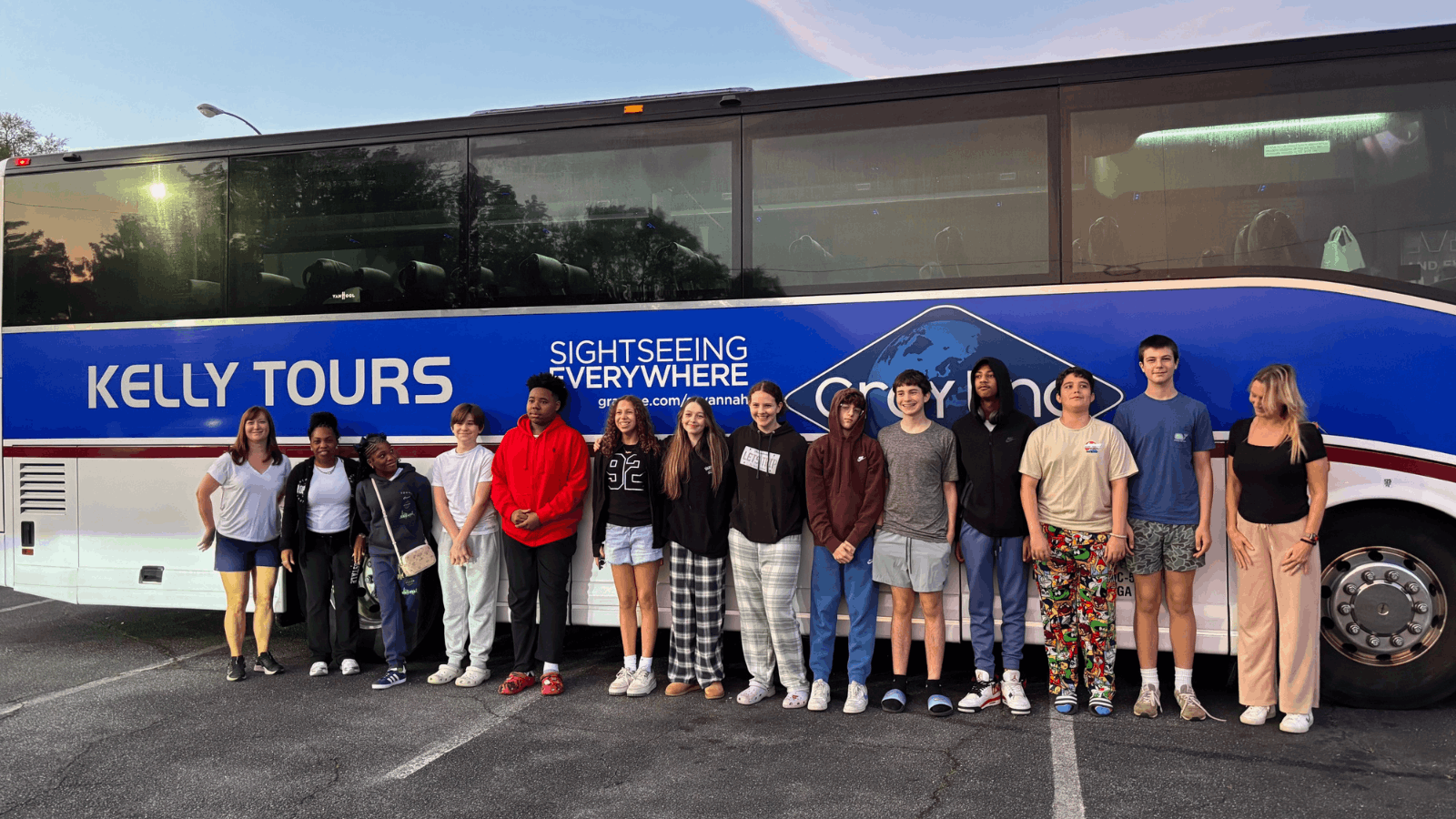
Step 2: Build a Budget and Get School Approval
What to Include in Your Field Trip Budget
Once you’ve selected your destination, the next step is creating a realistic budget that accounts for every part of the experience. Planning expenses early helps prevent unexpected costs, makes the approval process smoother, and allows families to clearly understand what is included in the trip.
A complete field trip budget should consider:
- Transportation
- Hotel accommodations
- Attraction admissions
- Meals
- Educational programs
- Tour guides
- Chaperone expenses
- Driver accommodations for overnight trips
- Gratuities
- Emergency contingency funds
- Travel insurance when applicable
Establishing these costs early also helps schools identify potential fundraising opportunities or payment plans if needed.
Per-Student Pricing, Deposits and Payment Plans
Most student trips are priced per student. That price combines shared costs, like the motorcoach, driver and guides, with per-person costs, like admissions, meals and hotel rooms. Because shared costs are split across the group, the per-student price usually drops as more students sign up, and quad rooms (four students per room) keep lodging affordable.
Payment plans make trips more accessible for families. Kelly Tours student trips typically follow a standard schedule: an initial deposit to reserve a spot, at least two scheduled payments, and a final payment before departure. Online tools make it easy to manage payments, rosters and rooming lists. Exact amounts and deadlines are shared at registration and vary by trip.
Fundraising can close the gap for families. Common options include school fundraisers, booster club or PTA support, local business sponsorships, and grants for educational travel. Start early so families have the most time to save.
Preparing for School Approval
In addition to budgeting, preparing the necessary documentation for school approval is an important part of the planning process. Many schools require educational objectives connected to curriculum, a draft itinerary, transportation plans, chaperone ratios, student supervision guidelines, emergency procedures, parent communication timelines, permission forms, and accessibility accommodations before approving a trip. Beginning this process several months in advance is highly recommended, especially for multi-day educational travel during busy seasons when hotels, attractions, and motorcoach transportation can fill quickly. Starting early gives educators more flexibility when selecting dates, building the itinerary, securing accommodations, and creating an organized experience that students, families, and school administrators can feel confident about.
Tips for getting administrator approval
- Connect every stop on the itinerary to a course, standard or learning objective.
- Submit a complete packet: draft itinerary, cost per student, transportation plan, chaperone ratio, and emergency procedures.
- Show what is included in the price so administrators can see there are no hidden costs.
- Explain how students who cannot travel will be supported, whether through fundraising or a scholarship fund.
Tips for getting parent buy-in
- Hold a parent information meeting before registration opens. Kelly Tours can meet in person with schools to walk families through the trip.
- Share the itinerary, total cost, payment schedule and what is included.
- Explain supervision: chaperone ratios, room checks, and how families can reach the group during the trip.
- Give families a single point of contact for questions.

Step 3: Organize the Logistics
Once your destination has been selected and your trip has received preliminary approval, it’s time to focus on the details that will keep everything running smoothly. While logistics may not be the most exciting part of planning, they’re often what determine whether a field trip feels organized and stress-free for both teachers and students.
How Student Travel Companies Help Teachers Plan School Trip
A student travel company takes the booking and coordination work off your plate. With Kelly Tours, every trip has a dedicated travel specialist who manages transportation, accommodations, meals, tickets and scheduling, and most trips include a Tour Escort who travels with the group.
| Kelly Tours typically coordinates | Teachers and schools typically handle |
|---|---|
| Round-trip motorcoach transportation and driver scheduling | Learning objectives and curriculum connections |
| Hotels and rooming lists for overnight trips | School or district approval |
| Attraction tickets, reservations and educational programs | Recruiting students and communicating with families |
| Group meals | Recruiting and screening chaperones |
| Day-by-day itinerary, routing and timing | Collecting permission slips, medical forms and emergency contacts |
| Online tools for payments, rosters and rooming lists | Student conduct expectations and discipline |
| On-trip Tour Escort support on most trips | Student supervision throughout the trip |
Responsibilities vary by school and trip, so confirm the split in writing when you book.
How Large Can a Student Group Be
There is no single limit. Group size depends on how many motorcoaches you need, how many chaperones you can recruit, and how many people your hotel and attractions can host at once.
- Motorcoaches: a full-size Kelly Tours motorcoach seats up to 56 passengers, and chaperones and Tour Escorts count toward that total. Larger groups can travel in multiple coaches.
- Chaperones: Kelly Tours typically follows a 1:10 chaperone-to-student ratio, confirmed with each school. A group of 50 students needs at least 5 chaperones. Your school may require more for younger students or overnight trips.
- Hotels, restaurants and attractions: large groups may need split meal seatings, timed entry or rotating schedules at popular sites.
For groups of 100 or more, plan to split students into coach teams, each with a lead chaperone, and book as early as possible.
How Far in Advance Should You Book a School Group Trip?
Book as soon as you have preliminary approval. Spring is one of the busiest student travel seasons, and motorcoaches, hotels and attractions often book months ahead.
- Day trips: about 2 to 3 months ahead
- Overnight trips in fall or winter: about 4 to 6 months ahead
- Overnight trips in spring, and groups of 100+: about 9 to 12 months ahead
- Senior trips and international trips: 12 months or more, so families have time to fundraise and complete payments
Booking early gives you more date flexibility and better odds of getting your preferred hotel and attraction times. For transportation-only bookings, see our guide to charter bus lead times and pricing.
Recruit and Prepare Chaperones
Recruiting dependable chaperones is equally important. Before departure, clearly communicate expectations so every adult understands their responsibilities throughout the trip. Assigning small student groups to individual chaperones makes supervision much easier and ensures every student has someone they can quickly turn to if they need assistance.
What Documents Do Students Need for a Domestic School Trip?
Review your school or district travel policy well in advance, since requirements vary. Most domestic student trips require:
- Signed permission slip or travel consent form
- Emergency contact information for each student
- Medical information, including allergies, medications and any required authorization forms
- Liability or release forms
- Student conduct agreement
- Proof of insurance or travel protection, if your school requires it
Identification: students do not need a passport for domestic travel. Adult chaperones should carry a government-issued photo ID. If any part of the trip involves a flight, TSA does not require students under 18 to show ID when traveling with an adult, but adults need a REAL ID-compliant ID or passport. Some hotels and federal sites also ask adults for ID.
A document checklist several weeks before departure helps prevent last-minute problems. International trips require passports and additional paperwork.
Build Flexibility Into the Schedule
Finally, build flexibility into your schedule. Even the best-planned trips encounter traffic delays, longer-than-expected attraction visits, or unexpected weather. Adding extra travel time between destinations and allowing short buffer periods throughout the day helps keep everyone on schedule without making students feel rushed.
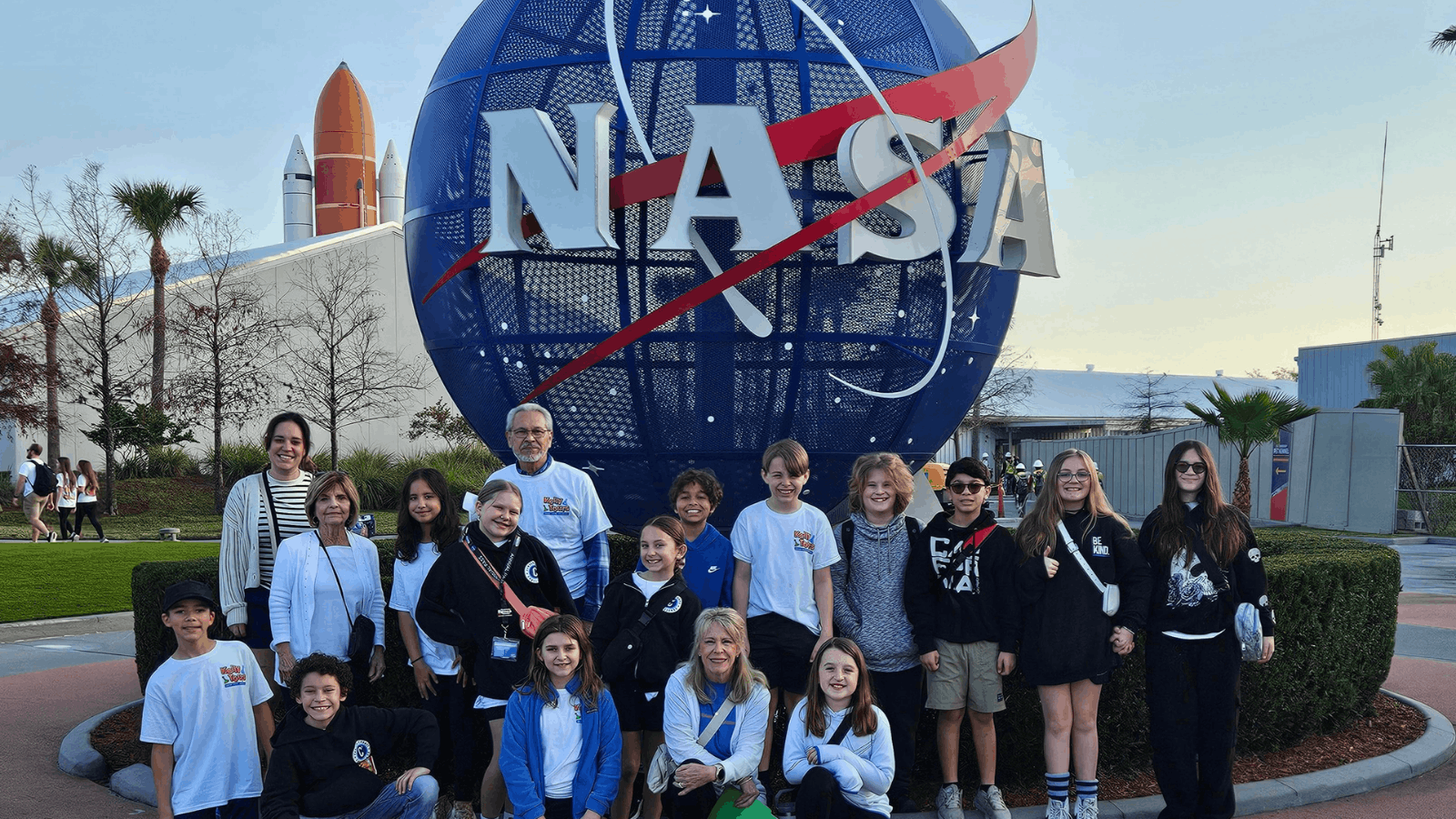
Step 4: Build an Itinerary Students Will Actually Enjoy
Every school group trip has different goals, interests, and learning objectives, which is why no two Kelly Tours itineraries are exactly alike. Rather than offering one-size-fits-all trips, our team works closely with teachers, administrators, and group leaders to design customized itineraries that support your curriculum, fit your schedule, and stay within your budget. Whether you’re planning a single-day field trip or a week-long educational adventure, we carefully coordinate attractions, transportation, meals, accommodations, and timing to create a seamless travel experience.
How to Build a Student Group Travel Itinerary
A strong itinerary starts with four questions:
- What should students learn? List two or three learning objectives, then choose stops that support them directly.
- How old are your students? Younger students need shorter activities and more breaks. Older students can handle longer guided tours and fuller days.
- How long is the trip? A day trip may fit two or three stops. A multi-day trip can build a theme day by day, as in the Washington, D.C. sample below.
- What will keep students engaged? Mix in something students will look forward to, like a boat ride, a show or a group dinner.
Balancing the day: pair a heavy museum morning with an outdoor or hands-on afternoon. Group nearby stops to cut motorcoach time, schedule meals at predictable times, and leave short buffers for loading, restrooms and traffic. On overnight trips, plan some evening downtime so students arrive rested for the next day.
Balance Education and Student Engagement
Our experienced travel planners understand how to balance educational value with student engagement. We thoughtfully arrange each day to minimize travel time, group nearby attractions together, and create a pace that keeps students energized without feeling rushed. Every itinerary is designed to maximize learning opportunities while allowing time to relax, explore, and enjoy the destination.
Kelly Tours can build an itinerary around virtually any educational focus. We also handle the logistics behind the scenes, including attraction reservations, hotel accommodations, meal planning, transportation, and scheduling, allowing educators to focus on their students instead of the details.
The sample itineraries below showcase just a few examples of what is possible. Every Kelly Tours itinerary is fully customizable, giving your group the flexibility to create an educational travel experience that is engaging, memorable, and uniquely your own.
Sample Itinerary for Students: Washington, D.C. (4 Days)
Washington, D.C. continues to be one of America’s premier educational destinations because nearly every landmark reinforces classroom instruction. Students gain firsthand insight into government, civics, military history, architecture, and American democracy while experiencing the nation’s capital in person.
Day 1: Travel to Washington, D.C. & Illuminated Monuments Tour
Depart early in the morning as your exciting Washington, D.C. adventure begins. Enjoy lunch on your own en route before arriving in the nation’s capital and checking into your hotel with time to refresh. Enjoy dinner at Primo before heading out for an illuminated tour of Washington, D.C.’s iconic monuments. Return to the hotel for the evening. Overnight hotel security is included each night.
Day 2: Museums & Washington, D.C. Exploration
Enjoy breakfast at the hotel before beginning a full day of sightseeing. Start at the International Spy Museum, followed by a visit to the United States Holocaust Memorial Museum for a powerful and educational look at the history and impact of the Holocaust.
Enjoy lunch on your own at the National Mall before visiting the National Museum of African American History and Culture. Continue to the National Air and Space Museum to explore the fascinating history of aviation and space exploration. Return to the hotel to refresh before an evening of bowling and dinner, then settle in for the night.
Day 3: Arlington National Cemetery, U.S. Capitol & Memorials
After breakfast, visit Arlington National Cemetery and participate in a meaningful wreath-laying ceremony honoring America’s fallen heroes. Continue to the U.S. Capitol for a guided tour of one of the nation’s most important landmarks, followed by an included lunch.
Spend the afternoon exploring the Smithsonian National Museum of Natural History before taking a walking tour of Washington, D.C.’s famous memorials. Then, enjoy a scenic water taxi ride for a unique perspective of the city. End the day at the Fashion Centre at Pentagon City for shopping and dinner with an included meal voucher before returning to the hotel.
Day 4: National Museum of the Marine Corps & Journey Home
Enjoy breakfast before checking out of the hotel and beginning the journey home. Along the way, visit the National Museum of the Marine Corps, where immersive exhibits, historic artifacts, and life-sized displays bring the history and experiences of the United States Marine Corps to life.
Enjoy lunch on your own at the museum before departing for home. Arrive back at your school in the afternoon with unforgettable memories from your Washington, D.C. adventure.
Sample Itinerary for Students: New York City (5 Days)
New York City offers countless educational opportunities beyond its famous skyline. Students explore immigration history, performing arts, architecture, journalism, finance, engineering, and urban development while experiencing one of the world’s most influential cities.
Day 1: Travel to New York City
Early morning departure from your school as you travel to New York City. Drinks, snacks, lunch, and dinner are included en route. Arrive in the New York City area late in the evening and check into your hotel. Overnight hotel security is included each night.
Day 2: Lower Manhattan & Broadway
Enjoy breakfast at the hotel before meeting your local NYC tour guide for a day exploring Lower Manhattan. Begin with a Statue City Cruise, including stops at Liberty Island and Ellis Island. Upon returning to Manhattan, take a walking tour featuring the Charging Bull and Wall Street.
Next, visit the 9/11 Memorial & Museum, followed by an included lunch. Continue exploring Greenwich Village and Chinatown before returning to the hotel to refresh. Dinner is included this evening, followed by a performance of one of Broadway’s top shows. Return to the hotel for the night.
Day 3: Upper Manhattan & Madame Tussauds
After breakfast, meet your local NYC tour guide and begin the day at the United Nations Headquarters. Students will learn about the history and work of the United Nations while visiting notable spaces such as the General Assembly Hall and Security Council Chamber.
Following an included lunch, enjoy a walking tour along Fifth Avenue and through Central Park. Discover the park’s history, landmarks, wildlife, and connections to famous films. Return to the hotel to refresh before an included dinner. Finish the evening at Madame Tussauds, where students can experience interactive exhibits featuring iconic musicians, celebrities, athletes, and world leaders.
Day 4: Midtown Manhattan & The Beast
Enjoy an early breakfast before meeting your local NYC tour guide for a day in Midtown Manhattan. Start the morning at Rockefeller Center to experience the excitement of watching the TODAY show broadcast live.
Continue to Top of the Rock for spectacular views of the New York City skyline, followed by an included lunch. In the afternoon, board The Beast for an exciting speedboat ride along the Hudson River, reaching speeds of up to 45 mph while passing some of NYC’s most iconic landmarks. Be prepared to get wet!
Return to the hotel to refresh before enjoying an included dinner and settling in for your final night.
Day 5: Departure for Home
Enjoy breakfast at the hotel before checking out and boarding the motorcoach for the journey home. Lunch and dinner are included en route. Arrive back at your school late in the evening after an unforgettable five days in New York City.
Sample Itinerary for Students: Kennedy Space Center (2 Days)
For STEM-focused groups, Kennedy Space Center provides an experience unlike anywhere else in the country. Students see real spacecraft, explore engineering innovations, learn about space exploration, and participate in interactive exhibits that inspire future scientists, engineers, and innovators.
Day 1: Kennedy Space Center & Space Shuttle Atlantis
Depart in the morning for the Kennedy Space Center Visitor Complex and begin an exciting STEM-focused exploration of America’s space program. Visit the Rocket Garden to see historic rockets that helped shape space exploration before experiencing the Space Shuttle Atlantis exhibit, where students can get an up-close look at the legendary spacecraft and learn about its groundbreaking missions.
Continue with the Shuttle Launch Experience, an immersive simulation that brings the excitement of a space shuttle launch to life. After a full day of exploration, check into your hotel for the evening.
Day 2: Saturn V Center, STEM Program & Astronaut Hall of Fame
Continue your Kennedy Space Center adventure with a visit to the Saturn V Center, home to one of the most powerful rockets ever built and exhibits highlighting the historic Apollo missions.
Students will participate in an educational STEM program designed to encourage curiosity, innovation, and problem-solving before exploring the U.S. Astronaut Hall of Fame and learning about the remarkable men and women who have pushed the boundaries of space exploration.
After lunch, begin the journey home with unforgettable memories and a deeper appreciation for science, technology, engineering, and space exploration.
More Student Travel Opportunities
Kelly Tours works with schools throughout the Southeast to create customized educational experiences across a wide variety of destinations. Popular student travel opportunities include trips to Savannah, Georgia; Charleston, South Carolina; Atlanta, Georgia; Chicago, Illinois; Williamsburg, Virginia; Nashville, Tennessee; Orlando theme parks; college campuses; marine science programs; government and leadership destinations; and fine arts and performing arts experiences.
Because every school has unique learning objectives, each itinerary can be customized to align with curriculum standards, grade levels, budgets, and travel timelines. Whether planning a one-day field trip or a multi-day educational adventure, partnering with an experienced student travel planner helps maximize instructional value while creating an engaging and memorable experience for students.
Questions to Ask When Reviewing a Proposed Itinerary
- Does each stop connect to a learning objective?
- How much time is spent on the motorcoach each day?
- Are meals, restroom breaks and buffer time built in?
- Which attractions require timed entry or advance reservations, and are they confirmed?
- What is the backup plan for bad weather or a closed attraction?
- Is every stop accessible for students with mobility or medical needs?
- What exactly is included in the price, and what will students pay for on their own?
- Who is the on-trip contact, and how do chaperones reach them?
Common Field Trip Planning Mistakes
Even the most experienced educators can encounter challenges when organizing student travel, but many common field trip planning mistakes can be avoided with thoughtful preparation and early coordination.
Waiting Too Long to Book
One of the biggest mistakes is waiting too long to book transportation, especially during busy spring travel seasons when motorcoaches, hotels, and attractions can fill quickly. Reserving early provides more flexibility with dates, pricing, and availability.
Overloading the Itinerary
It is also important to create a realistic itinerary that balances educational experiences with appropriate pacing. Trying to fit too many activities into one day can leave students feeling rushed, while underestimating travel time for traffic, parking, student loading and unloading, and restroom breaks can disrupt the entire schedule. Building extra time into the day and having backup plans for weather or unexpected changes helps keep the experience running smoothly.
Not Communicating Early Enough
Clear communication and organization are also key to a successful student trip. Providing families with schedules, packing lists, payment deadlines, and emergency information early helps everyone feel prepared. Chaperones should receive clear expectations, assigned student groups, and safety procedures before departure so they can confidently support the group.
Overlooking Accessibility Needs
Educators should also consider accessibility needs in advance by confirming accommodations with transportation providers, attractions, and hotels to ensure every student can fully participate.
While planning every detail independently may seem manageable, coordinating transportation, reservations, meals, schedules, and logistics can quickly become overwhelming. Partnering with an experienced educational travel company allows teachers to focus on their students while trusted professionals handle the details behind the scenes, creating a smoother and more memorable educational experience for everyone involved.
Start Planning Your Student Trip With Kelly Tours
Planning educational travel becomes easier when educators have experienced support throughout the process. Kelly Tours works with schools, teachers, administrators, youth organizations, and educational groups to coordinate customized itineraries, transportation, accommodations, meals, attractions, and other trip logistics.
Ready to bring learning beyond the classroom? Contact Kelly Tours to start planning a student trip tailored to your curriculum, budget, and travel goals.
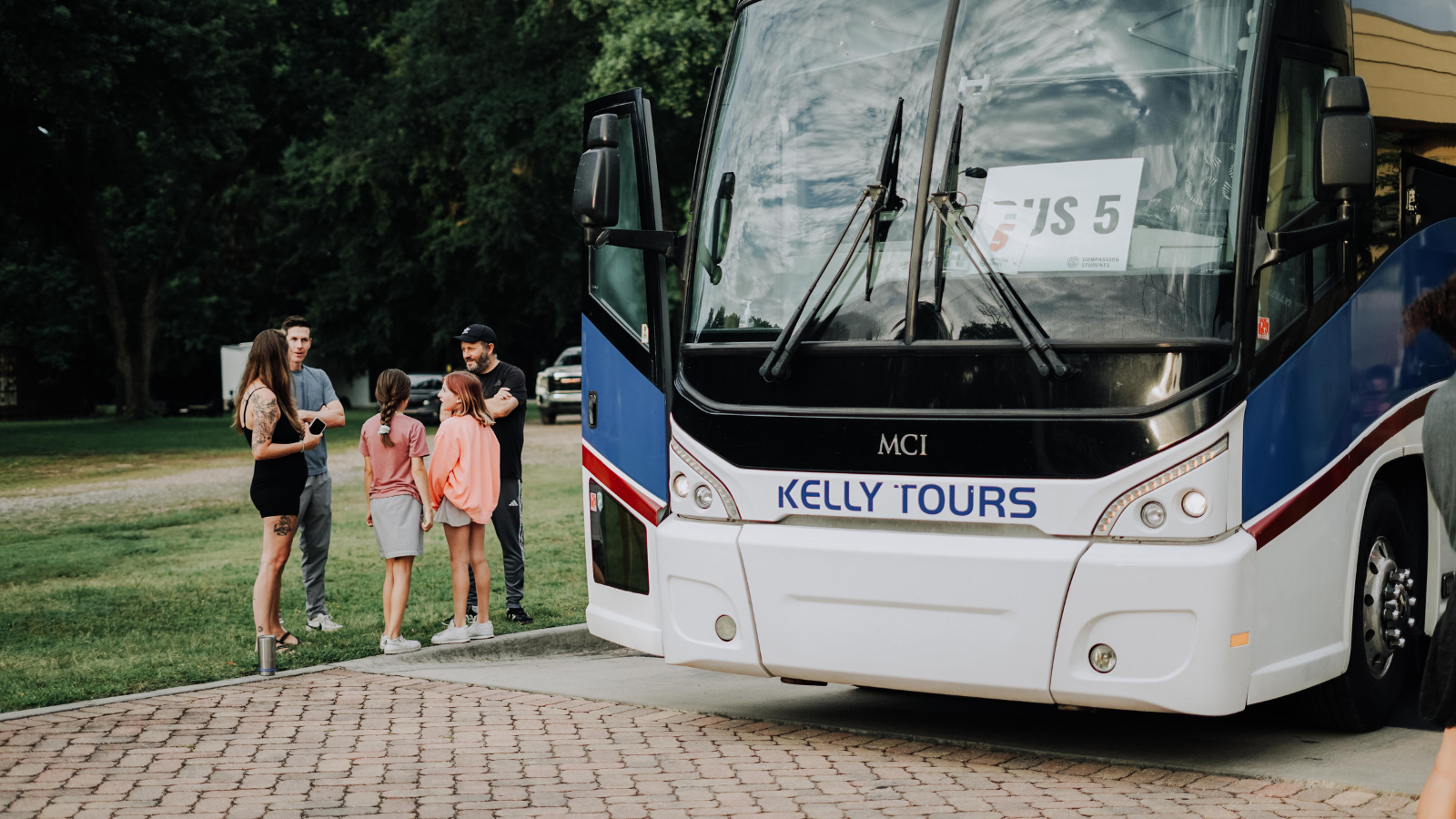
Frequently Asked Questions About Planning a Student Field Trip
How far in advance should I book a school group trip?
Book as soon as you have preliminary school approval. Day trips usually need 2 to 3 months, overnight trips 4 to 6 months, and spring trips or groups of 100+ about 9 to 12 months. Senior and international trips often start planning a year or more ahead.
What is the best time of year to take a student group trip?
Spring is the most popular season for student travel, but it also books up fastest. Fall and winter offer more availability and flexible dates. Late spring is the traditional window for senior and eighth grade trips. Check your school calendar for testing windows and holidays before choosing dates.
How do I organize a class trip for high school students?
Start with a course or program goal, such as government, STEM, the arts or college visits, then get administrator approval for the destination and budget. Book early, recruit chaperones, and set clear conduct expectations and check-in times. A student travel company can handle transportation, hotels, attractions and the itinerary.
How do I plan a senior class trip?
Start planning in junior year so families have time to fundraise and pay over time. Involve class officers in choosing a destination, get administrator approval, and book late-spring dates early. Set conduct agreements and chaperone expectations before registration opens.
How do I plan a student group trip for my middle school class?
Choose a destination tied to your curriculum, like Washington, D.C. for civics and history, and keep the schedule structured with guided, interactive stops. Plan small chaperone groups, a buddy system and nightly room checks for overnight trips. Hold a parent meeting early, since this is often students’ first overnight school trip.
What should teachers consider when planning a student group travel itinerary?
Consider your learning objectives, students’ age, trip length and what will keep students engaged. A good itinerary groups nearby stops, limits time on the motorcoach, and builds in meals, breaks and buffer time. It should also include a backup plan for weather and confirm accessibility at every stop.
How do student travel companies help teachers plan school trips?
Student travel companies book and coordinate transportation, hotels, attractions, meals and the day-by-day itinerary, so teachers can focus on students and curriculum. At Kelly Tours, each trip has a dedicated travel specialist, online tools for payments and rosters, and a Tour Escort on most trips. Teachers and schools still handle approvals, permission forms and supervision.
How large can a student group be for an organized school tour?
There is no single limit. Group size depends on motorcoach capacity, chaperone count, and what hotels and attractions can host. A full-size Kelly Tours motorcoach seats up to 56 passengers, larger groups travel in multiple coaches, and Kelly Tours typically follows a 1:10 chaperone-to-student ratio.
What documents do students need for a domestic school trip?
Most domestic school trips require a signed permission slip, emergency contacts, medical information and a student conduct agreement. Many schools also require liability forms. Students do not need a passport for domestic travel, but adult chaperones should carry a government-issued photo ID. Requirements vary by school and district.
What should be included in a field trip budget?
A complete field trip budget should consider transportation, hotel accommodations, attraction admissions, meals, educational programs, tour guides, chaperone expenses, driver accommodations for overnight trips, gratuities, emergency contingency funds, and travel insurance when applicable.
What are some common field trip planning mistakes?
Common mistakes include waiting too long to reserve transportation, trying to fit too many activities into one day, underestimating travel and transition time, communicating important information too late, and overlooking accessibility needs.